
EMPATHY AND EDUCATION: FIVE YEARS OF THE THOUGHTFUL SCHOOLS PROGRAM
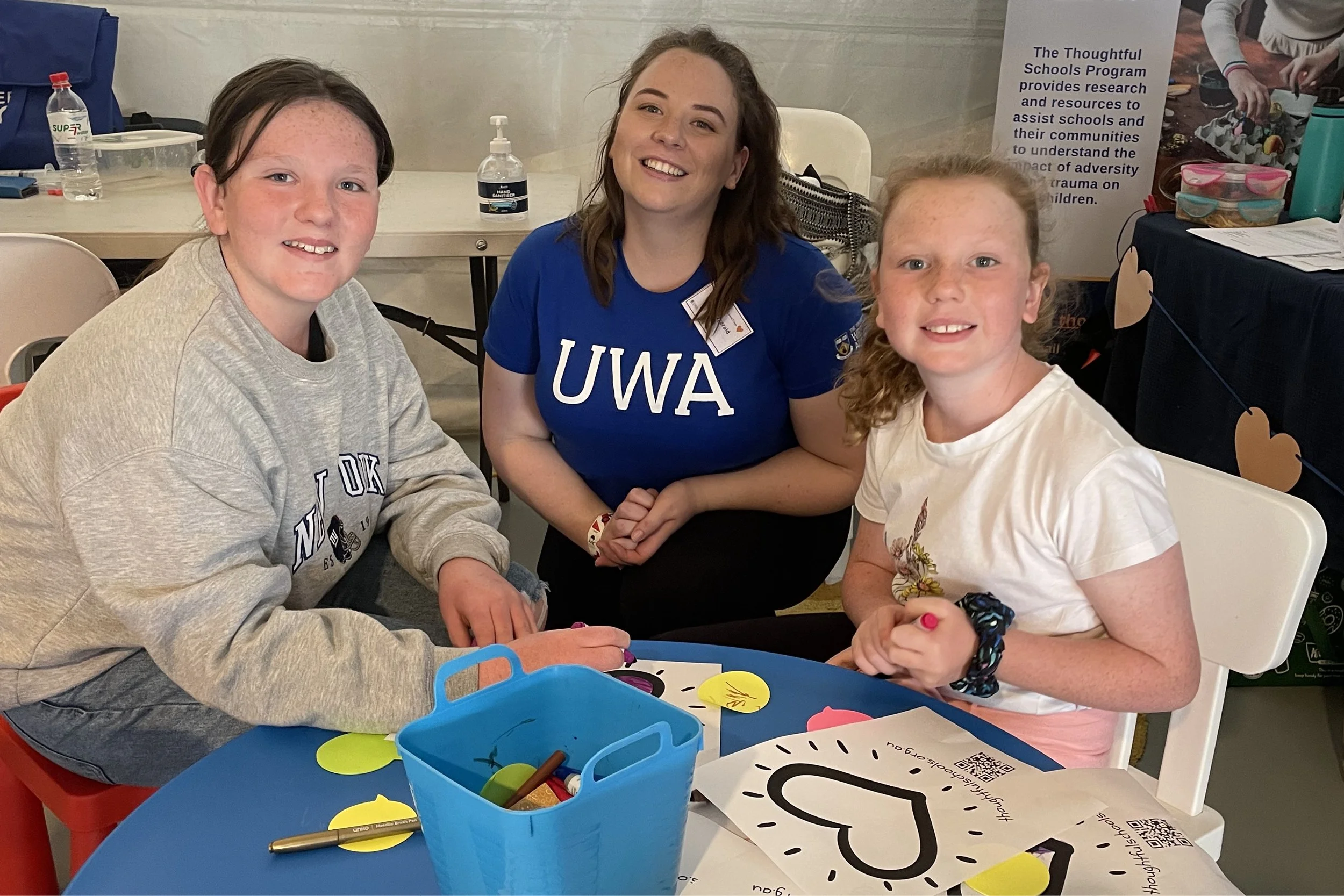
Over the past five years, a quiet but powerful shift has taken place in classrooms across Western Australia — one that is helping teachers better understand the hidden challenges many children bring with them to school each day.
Launched in 2020 with support from the Stan Perron Charitable Foundation, the Thoughtful Schools Program set out to transform how schools respond to students affected by trauma and adversity.
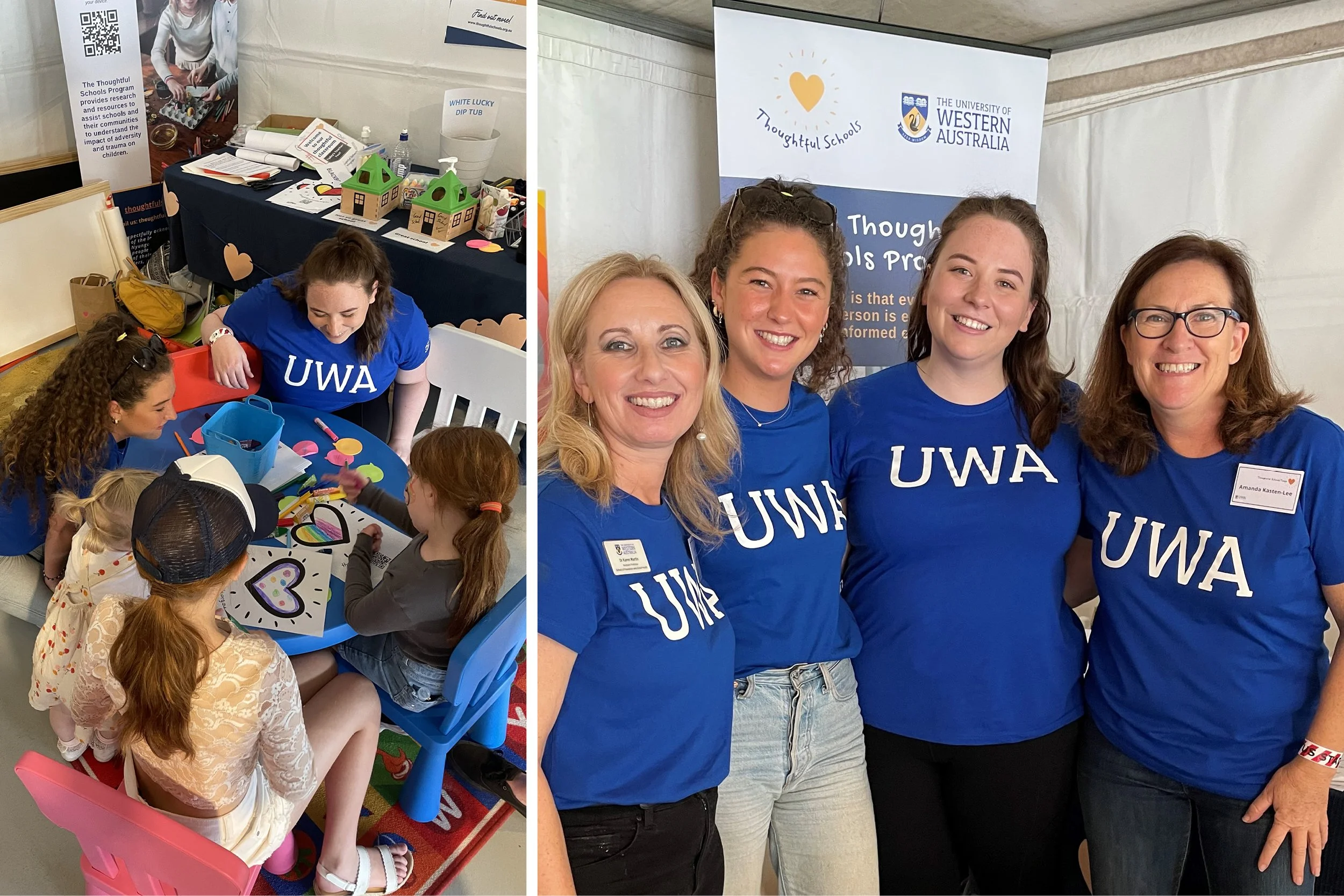
Led by Professor Karen Martin and her team at The University of Western Australia, the initiative has equipped educators with practical tools to create safer, more supportive learning environments — not just for vulnerable students, but for entire school communities.
At its heart is a simple but profound change in perspective:
“Trauma-informed practice asks us to move from ‘What’s wrong with this child?’ to ‘What has this child experienced, and how can we help?’” Professor Martin explains.
For children affected by abuse, neglect, family violence, poverty or instability, school can be both a refuge and a source of stress. Traditional discipline approaches, such as punishment, exclusion or public reprimand, can unintentionally deepen feelings of shame and distress, making it harder for students to engage and succeed at school.
Thoughtful Schools offers a different path.
Practical change in real classrooms
Using a research-based toolkit developed by the team, participating schools assessed their existing policies and practices and introduced targeted changes tailored to their own communities.
Some of the most effective strategies were simple but transformative:
Replacing suspension with responsibility. In one school, older students who needed time away from class assisted teachers in early childhood classrooms, helping younger children while learning emotional regulation and responsibility themselves.
Calm adults, calm classrooms. Another school introduced a policy that staff should never shout at students in anger, recognising that raised voices can be distressing or triggering. Teachers were encouraged to model the self-control they hoped to see in their students.
Early intervention for emotional escalation. Staff developed clear steps to recognise distress, prevent escalation and respond in ways that help strengthen relationships through understanding, rather than punishing.
Creating spaces for regulation. Many classrooms introduced quiet “peace corners” or sensory areas where students could regroup and self-soothe before returning to learning.
“These approaches aren’t about lowering expectations,” Professor Martin says. “They’re about creating the conditions in which children can actually meet them.”
Measurable results — and human ones
Schools involved in the pilot program reported reductions in suspensions and behavioural incidents, alongside improved attendance. Teachers also reported greater confidence and alignment in responding to complex situations, while staff reported that students showed increased engagement and trust.
But the most meaningful outcomes are harder to quantify.
Educators reported calmer classrooms, stronger relationships and a growing sense that students felt seen rather than judged. For some children, this shift can be life-changing, helping them stay in school, build resilience and develop skills that carry into adulthood.
Importantly, the framework was designed with Western Australia’s unique context in mind, including close collaboration with educators, parents, community members and Aboriginal trauma experts. The program acknowledges the intergenerational impacts of colonisation and adversity while remaining adaptable for use in schools worldwide.
A legacy that continues to grow
With the Foundation-funded five-year study now complete, the impact of Thoughtful Schools continues. The website, guidebook and resources remain freely available and are used by educators and researchers around the world.
Seeking additional funding, Professor Martin hopes to expand training, evaluation and capacity-building, including multidisciplinary trauma-informed coursework units at UWA and, ultimately, an Education and Research Centre for Trauma-Informed Practice in Western Australia.
“Schools cannot solve trauma alone,” she says. “But they can be places of healing, stability and hope.”
Early evidence suggests trauma-informed education benefits not only individual students but whole communities, helping to break cycles of adversity and support healthier futures, particularly in regional and disadvantaged areas of Western Australia.
For the Stan Perron Charitable Foundation, which supported the initiative from its earliest stages, the program reflects a commitment to research that delivers practical, long-term benefits for children and communities.
Five years on, Thoughtful Schools stands as a powerful example of how compassionate, evidence-based approaches can transform systems and lives.
From suspension to support
At one regional primary school, 38 students were suspended in a single year, resulting in more than 200 days of missed learning. Nearly half of those students were suspected to have experienced trauma or significant adversity.
After adopting trauma-informed strategies through the Thoughtful Schools framework, suspensions dropped dramatically to just a single two-day suspension by mid-2023.
Instead of exclusion, students who needed time away from class were supported to assist younger children in early learning classrooms, helping them develop empathy, responsibility and self-regulation while remaining connected to school.
School leaders reported calmer classrooms, fewer behavioural incidents, and stronger relationships between staff and students.
“With suspension, they’d come back tougher, with attitude. After helping in early childhood, they came back gentler, with humility. It made such a difference.”
Further reading…
Thoughtful Schools resources and guidebook: thoughtfulschools.org.au
International Trauma-Informed Practice Principles for Schools (academic article)
Contact Professor Karen Martin: Karen.Martin@uwa.edu.au
Published: April 2026